About Canadian Buddhist Heritage Month - National Gathering
A National Cultural Initiative Rooted in Public Value
Buddhist culture has been part of Canada’s social fabric for over a century.
Across generations — from early immigrant communities to today’s diverse network of temples, practitioners, and organizations — Buddhist communities have contributed steadily to Canadian public life through education, cultural initiatives, community service, and social support.
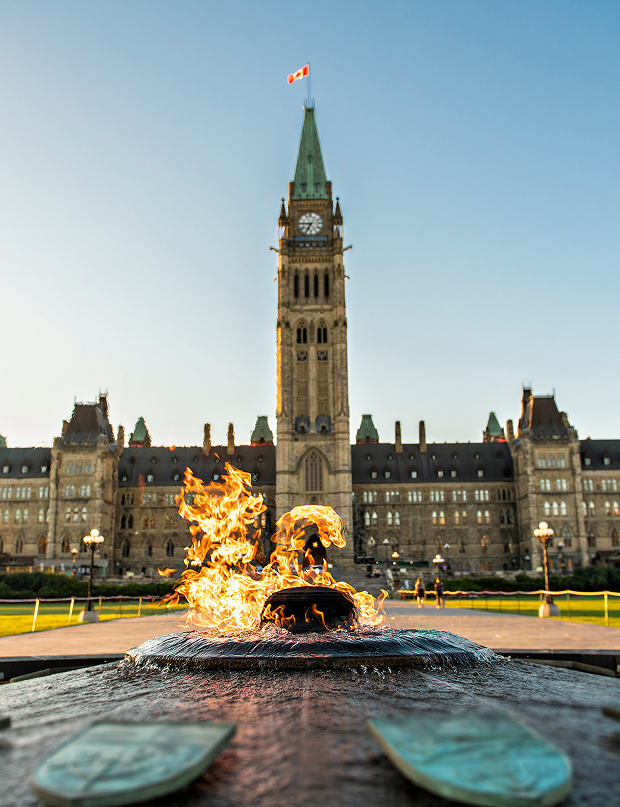
This is a national gathering of Buddhist communities across Canada, held on Parliament Hill to support the recognition of Buddhist Heritage Month.
It brings together these long-standing contributions into a shared national moment — one that reflects a living cultural presence already embedded in Canadian society.
This effort helps more Canadians understand Buddhist culture and supports formal recognition at a national level.
This is not a one-time event.
It is part of a longer process of engagement, alignment, and cultural visibility.
Initiating Organization
This initiative is led by the Canadian Buddhist Heritage Month National Organizing Committee.
The committee brings together representatives from across Canada, spanning Theravāda, Mahāyāna, and Vajrayāna traditions, and reflects participation from:
- Monastic communities (Sangha)
- Lay practitioners
- Cultural organizations
- Academic contributors
This is a national network, built through collaboration across regions and traditions. Through cross-regional and cross-traditional coordination, the initiative reflects a shared direction, grounded in public responsibility, long-term commitment, and a steady approach to cultural development.
Regional Foundations
British Columbia
Project: BC Buddhist Festival
A large-scale cultural initiative built on the principle of “One Buddha, Many Traditions.” It has successfully engaged the broader public and increased awareness and respect for Buddhist culture across Western Canada.

Greater Toronto Area
Project: Annual Vesak Festival
A major annual celebration that has contributed to positioning Vesak as a recognized cultural event. It demonstrates strong cross-community collaboration and organizational leadership.
Why Establish a Buddhist Heritage Month in Canada
For decades, Buddhist communities have contributed to Canadian society through culture, education, and community service.
This work has not yet been clearly recognized at a national level.
Integrating Cultural Contributions
Bringing together diverse cultural practices across regions into a unified national cultural asset
Building Public Awareness
Enhancing understanding of core values such as compassion, mindfulness, and social responsibility
Institutional Recognition
Ensuring Buddhist cultural contributions are formally acknowledged within Canada’s multicultural framework
Strengthening Public Dialogue
Creating space for constructive, inclusive, and ongoing engagement with public institutions
Why Parliament Hill
Parliament Hill represents the centre of Canada’s democratic and institutional system.
Holding the National Gathering at Parliament Hill reflects both symbolic and practical significance:
- Initiating Formal Dialogue: Opening a respectful dialogue with federal institutions
- Establishing a Communication Platform: Creating a direct and structured channel between Buddhist communities and federal institutions
- Enhancing Public Visibility: Ensuring cultural contributions are recognized in a transparent, credible, and nationally visible context
Our Position
Cultural Recognition, Not Religious Privilege
This initiative is grounded in the framework of public culture.
This is not about religious privilege. It is about fair recognition of Buddhist cultural contributions within Canada’s multicultural framework.
This is a measured, responsible, and constructive civic effort — focused on dialogue, understanding, and long-term contribution.
Vision
Our vision extends beyond a single gathering.
We aim to make Buddhist values, such as compassion, mindfulness, and social responsibility; more visible in Canadian public life.
Institutional Recognition
We support the formal recognition of Canadian Buddhist Heritage Month within Canada’s federal framework.
This recognizes more than a century of contributions and ensures that values such as non-violence, compassion, and equality are reflected in national multicultural policy.
A Unified National Network
Strengthening connections across communities nationwide, enabling coordinated engagement in areas such as:
- Community service
- Mental health support
- Environmental awareness
Enhancing Social Resilience
We aim to bring mindfulness and compassion into the public sphere in a practical and accessible way.
This contributes to addressing key challenges in Canadian society, including mental health pressures, social division, and the need for deeper intercultural understanding.
A Legacy of Peace
Through initiatives such as the National Peace Walk, we promote a form of public engagement based on calm participation, mutual respect, and social responsibility.
We aim to establish a lasting cultural legacy where peaceful expression and constructive dialogue become part of Canada’s shared public values.
Partners
This initiative is supported by a broad and evolving network, including: Organizing committees, Temples and community groups, Cultural and academic institutions, Advisors and supporting partners. Together, these participants reflect a shared commitment to public contribution and cultural development across Canada.







Activities
The National Gathering includes multiple program components that reflect the role of Buddhist culture in public life:
Parliamentary Engagement
Parliamentary Engagement
National Gathering and Forum
National Gathering and Forum
Cultural Rituals and Experiences
Cultural Rituals and Experiences
National Peace Walk
National Peace Walk
Cultural Exchange and Official Reception
Cultural Exchange and Official Reception
Public Recognition
Buddhist communities in Canada have built strong public trust over time.
Through cultural festivals, educational initiatives, and cross-cultural dialogue, they have contributed to social cohesion and community development.
This initiative represents the next step by advancing these contributions toward formal recognition within Canada’s institutional framework. Key contributions include:
- long-standing cultural events and public programming
- active involvement in education and community service
- promotion of intercultural understanding and social cohesion
- sustained collaboration with diverse sectors